
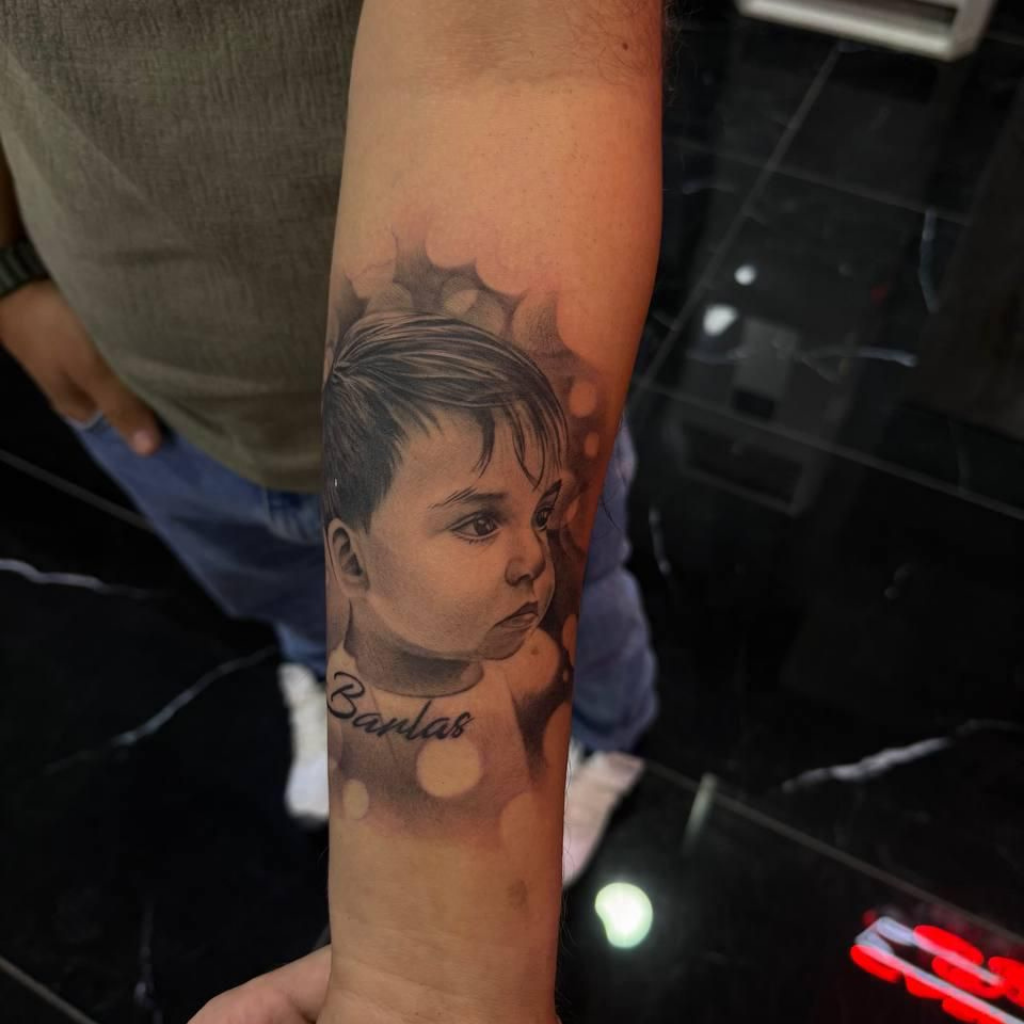
Discover authentic Japanese tattoo designs in Amsterdam. Learn about traditional styles, symbolism, professional aftercare tips, and find expert artists at God Of Ink studios.
Amsterdam Japanese Tattoo: What You Need to Know
Japanese tattoos represent centuries of artistic tradition, combining deep cultural symbolism with stunning visual aesthetics. Whether you're drawn to the flowing lines of traditional designs or the intricate detail work that defines this art form, an Amsterdam Japanese tattoo can be a meaningful investment in body art. At God Of Ink, we understand what makes these designs special and how to bring them to life with the respect they deserve.
If you're considering a Japanese tattoo in Amsterdam, understanding the cultural significance, design options, and proper aftercare is essential. This guide will walk you through everything you need to know before booking your session.
Understanding Japanese Tattoo Traditions
The History Behind Japanese Ink Art
Japanese tattoo traditions date back centuries, with roots in both spiritual practices and artistic expression. Traditional Japanese tattoos, known as "irezumi," were historically used in rituals and later became associated with samurai and artistic communities. Today, they represent a respected and celebrated art form that blends mythology, nature, and technical mastery.
Modern Japanese tattoo design has evolved while maintaining its cultural integrity. Many artists in Amsterdam specialize in these techniques, understanding both the historical context and contemporary variations that make each piece unique.
Key Elements of Japanese Tattoo Design
Japanese tattoos typically feature several recognizable elements:
- Dragons: Symbolizing power, wisdom, and protection
- Koi fish: Representing perseverance, transformation, and good fortune
- Cherry blossoms: Reflecting the beauty and transience of life
- Waves and water: Often used as background elements symbolizing life's flow
- Samurai and warrior motifs: Depicting honor, strength, and courage
- Temple architecture: Adding spiritual and structural depth to designs
Each element carries meaning, and understanding this symbolism helps you choose a design that resonates with your personal values and story.
Choosing Your Amsterdam Japanese Tattoo Design
Size and Placement Considerations
Japanese tattoos work beautifully at any scale, from smaller, minimalist pieces to large full-back designs. Consider where the tattoo will sit on your body—traditional placements include the back, chest, shoulders, and upper arms, as these areas provide the canvas needed for detailed work.
Smaller Japanese designs can work equally well on forearms or calves. The key is ensuring your chosen artist has enough space to capture the intricate linework and shading that makes Japanese tattoos distinctive.
Color vs. Black and Grey
While traditional irezumi uses black ink and specific line techniques, modern Japanese tattoos often incorporate color. Vibrant reds, golds, and blues can enhance elements like koi fish or flowers. If you're interested in color work, our guide on Amsterdam color tattoos offers insights into how professionals create lasting, vivid designs.
Black and grey Japanese tattoos remain timeless and are often preferred by those seeking a more traditional aesthetic or who plan multiple sessions building a cohesive piece.
What to Expect During Your Session
Consultation and Design Development
A quality Amsterdam Japanese tattoo artist will spend time understanding your vision. Bring reference images, discuss symbolism, and be open to professional suggestions. Your artist's expertise in proportion, balance, and flow is invaluable—traditional Japanese aesthetics require careful composition.
Expect your consultation to cover placement, size, color choices, and timeline. Some larger pieces may require multiple sessions, and your artist will explain what to expect.
The Tattooing Process
Japanese tattoos demand precision and patience. The session may take several hours depending on complexity and size. Professional studios like God Of Ink maintain strict hygiene standards, using sterile equipment and single-use needles to ensure your safety.
Your artist will work carefully to achieve the clean lines and subtle shading that define Japanese work. Communication throughout the session ensures you're comfortable and the design is developing as planned.
Aftercare for Your Japanese Tattoo
The First Few Days
Proper aftercare is crucial for maintaining the quality of your Japanese tattoo. In the first 24 hours, keep the tattoo clean and moisturized. Wash gently with unscented soap and pat dry—never rub. Apply a thin layer of fragrance-free moisturizer or recommended aftercare balm.
Avoid soaking the tattoo in water, swimming, or exposing it to excessive sunlight during the initial healing phase. Wear loose clothing to prevent friction with the tattooed area.
Long-Term Care
For the next two to three weeks, continue gentle cleaning and moisturizing. Resist the urge to pick at any flaking skin—this is a normal part of healing. Once fully healed, protect your tattoo with sunscreen to preserve color vibrancy and line clarity.
Japanese tattoos, like all quality ink work, benefit from ongoing protection against UV exposure. This helps maintain the details and prevents fading over time.
Finding the Right Artist in Amsterdam
What to Look For
Choosing an experienced Japanese tattoo artist is essential. Look for portfolios showing previous Japanese work, clean studio conditions, and evidence of proper sterilization practices. Ask about their training and experience specifically with traditional and contemporary Japanese designs.
Read reviews and connect with past clients when possible. A reputable artist will be happy to discuss their process and answer your questions. You can explore the work of talented artists by checking our Instagram profile, where you'll find examples of styles and techniques.
Studio Hygiene and Safety
Never compromise on hygiene. Your chosen studio should follow strict infection control protocols: autoclave sterilization of equipment, single-use needles, and clean workspaces. God Of Ink maintains these standards across all our locations in Alanya, Manavgat, Okurcalar, and Amsterdam.
Why Choose God Of Ink for Your Japanese Tattoo
With branches across multiple cities including Amsterdam, God Of Ink brings professional expertise, cultural respect, and commitment to safety to every Japanese tattoo project. Our artists understand the nuances of this art form and work closely with clients to create pieces that honor tradition while reflecting personal meaning.
Whether you're seeking a minimalist Japanese design or a more elaborate traditional piece, we're here to guide you through every step—from initial concept to complete healing.
Ready to explore Japanese tattoo designs? Visit our Amsterdam studio location to meet our team and discuss your vision in person.
Final Thoughts
An Amsterdam Japanese tattoo is more than just body art—it's a connection to centuries of cultural heritage and a personal statement of meaning. Taking time to understand the symbolism, choosing the right artist, and committing to proper aftercare ensures your tattoo remains beautiful and vibrant for years to come.
Japanese design traditions teach us about balance, flow, and the beauty of intentional composition. When you invest in quality work from an experienced professional, you're not just getting a tattoo; you're becoming part of a living artistic tradition.
Ready for your next tattoo?
Book your appointment at one of our studios in Alanya, Manavgat or Amsterdam.
Book NowRelated Posts
Ear Lobe Piercing Walk In
Learn everything about the ear lobe piercing walk in experience at God of Ink. Discover studio hygiene, aftercare, and location options in Alanya, Manavgat.
Read more →
Gods of Ink: Your Ultimate Guide to Professional Tattoos and Piercings
Explore Gods of Ink's global presence in Alanya, Manavgat, Okurcalar, and Amsterdam. Learn about aftercare, design choices, and studio expectations for a safe.
Read more →
Anti Tragus Piercing Guide
Learn everything about anti tragus piercing. Discover safe application, aftercare tips, and expert insights for a great experience.
Read more →